

Why road trips can actually be affordable
A road trip is one of the few vacation formats where the family controls nearly every cost variable. You set the fuel pace, choose where to eat, pick the lodging, and decide how many paid attractions to include. That control is the whole opportunity. The families who come home with money left over are not skipping experiences; they are making deliberate choices about which costs to absorb and which to sidestep.
For a broader picture of how road trips compare to other vacation formats for a family of four, see how independent travel stacks up against packaged options. And if this is your first time organizing a multi-person trip, the family travel planning walkthrough covers budgeting and booking timelines from the start.
Fuel: the cost you can actually manage
Fuel is the most visible road trip expense, but it responds well to planning. Mapping your route in advance and identifying cheaper gas corridors (typically away from interstate exits and tourist-heavy towns) can reduce per-gallon costs. Apps that aggregate current station prices are widely available and free. For longer trips, checking tire pressure before departure matters too: underinflated tires measurably reduce fuel efficiency.
Speed also affects the fuel bill more than most families expect. Driving at 65 mph rather than 80 mph can improve fuel economy by roughly 15 to 20 percent on many vehicles, according to the U.S. Department of Energy. On a 1,500-mile trip in a vehicle averaging 28 mpg, that difference translates to several gallons and real dollars saved.
Food costs on the road
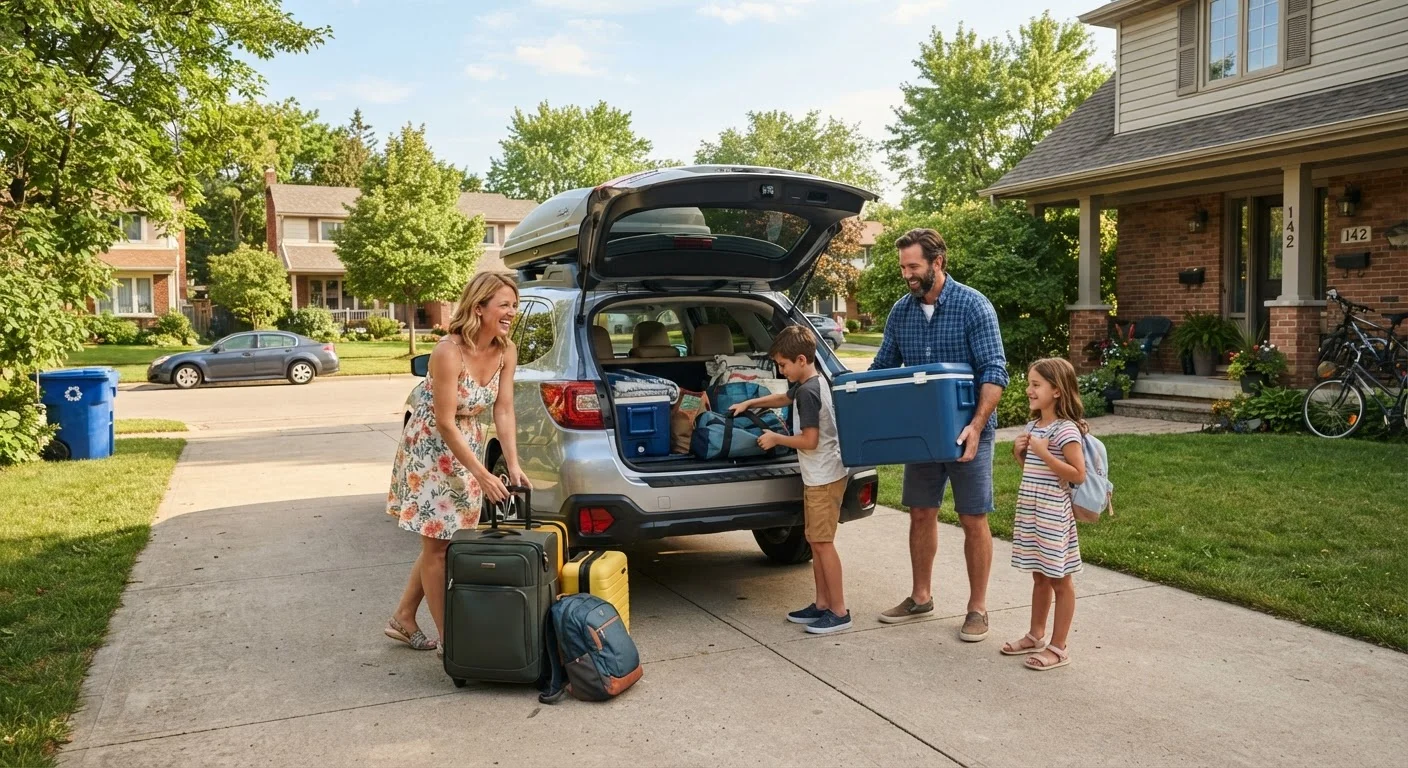
Restaurant meals for four add up fast. A single sit-down lunch stop at a highway diner can cost $50 to $70 before tip, and that number multiplies across several days. A cooler packed before departure changes the math entirely. Sandwiches, fruit, string cheese, and cold pasta salads cost a fraction of restaurant alternatives and keep the trip moving.
The same grocery habits that help at home apply on the road. Our guide to grocery spending on a tight budget covers meal planning principles that translate directly to road trip prep. Restocking at a grocery store mid-trip (rather than at gas stations or tourist shops) also makes a noticeable difference. Save one or two restaurant dinners for destinations where local food is genuinely part of the experience.
Lodging and timing decisions
Lodging is where timing matters most. Mid-week nights cost less than weekends at most motels, campgrounds, and short-term rentals. Traveling outside peak summer weeks (mid-June through mid-August in most U.S. regions) lowers rates further. Shoulder season travel is worth understanding before you set dates.
Campgrounds and state park cabins are among the lowest-cost overnight options for families who can handle them logistically. Many sites book out weeks in advance, so planning ahead is necessary rather than optional. For families not camping, extended-stay motels and rooms with kitchenettes reduce food costs by allowing in-room breakfasts. Always check whether lodging fees include parking and Wi-Fi, since add-on charges are common and easy to miss at booking. The hidden expenses guide walks through the fees that most commonly catch families off guard.
Free and low-cost stops that actually entertain kids
Paid attractions are optional on most routes. The U.S. has an enormous stock of free stops: national forest trailheads, state welcome centers with clean restrooms and free maps, roadside historical markers, city riverfronts, and public beaches. Many children's museums offer free admission on designated days, and public libraries in tourist towns sometimes have activity programs during summer months.
National parks charge an entry fee, but the America the Beautiful annual pass (available through the National Park Service) covers entrance for an entire vehicle at all federal fee sites for one flat annual cost, which pays for itself quickly on a route that passes two or more parks. See what families should know about national parks as a destination before building a park-heavy itinerary. For a wider look at free options at popular destinations, free and low-cost family activities across the U.S. is a practical companion.
Keeping the budget on track during the trip
A pre-trip budget written down per day is far more useful than a single total. When each day has a fuel estimate, a food allowance, and a lodging number, it is easy to check at dinner whether you are on track. Small overages on day two are fixable; discovering a $300 overage on day five is not.
Before departure, the pre-trip checklist for budget-conscious families covers spending limits and backup plans worth setting in writing. Keeping a simple notes app tally of daily spending takes about two minutes and prevents the drift that inflates final costs. Road trips reward the families who plan at home and stay curious on the road.
The content provided on our blog site traverses numerous categories, offering readers valuable and practical information. Readers can use the editorial team’s research and data to gain more insights into their topics of interest. However, they are requested not to treat the articles as conclusive. The website team cannot be held responsible for differences in data or inaccuracies found across other platforms. Please also note that the site might also miss out on various schemes and offers available that the readers may find more beneficial than the ones we cover.