

Why free activities deserve a spot in your trip plan
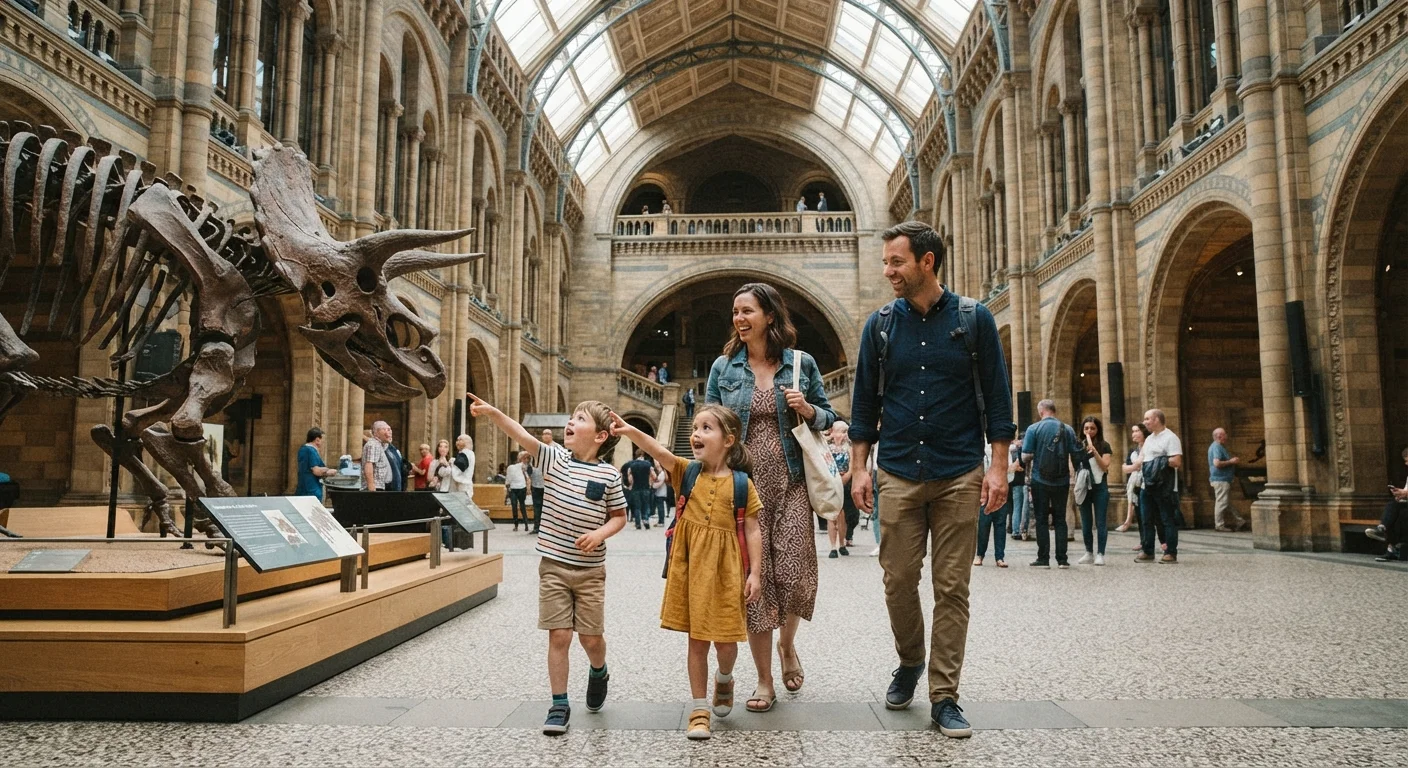
Paid attractions get the marketing budgets, but free and low-cost experiences frequently deliver just as much memory per dollar. Washington, D.C.'s Smithsonian museums are the most obvious example: 19 institutions, from aerospace history to natural history to American art, all with no entrance fee. The National Mall itself is a walkable outdoor museum where kids can watch monuments, memorials, and fountains fill entire afternoons at zero cost.
That same logic applies across the country. Boston's Freedom Trail is a 2.5-mile walking route past 16 historic sites, most of which are free to walk by or enter. Chicago's Millennium Park draws millions of visitors to its outdoor sculptures and summer concerts without charging a cent. San Antonio's River Walk is a free public promenade lined with public art and accessible green space. These are not backup plans when the paid ticket sells out; for many families, they are the trip.
If you are planning your first multi-person family trip, building the itinerary around a few free anchor activities first and then filling gaps selectively can meaningfully change what the whole trip costs.
Smithsonian museums in Washington, D.C.
The Smithsonian's 19 museums and galleries on and near the National Mall are permanently free to enter. The National Air and Space Museum, the National Museum of African American History and Culture, the National Zoo, and the National Museum of Natural History each offer full days of programming without any admission cost. Timed-entry passes are required for some buildings during peak season and can be reserved through the Smithsonian's website at no charge.
Nineteen Smithsonian museums charge no admission, ever.
National Park Service fee-free days
The National Park Service designates several fee-free days each year when entrance fees are waived at nearly all fee-charging parks. These typically fall around Martin Luther King Jr. Day, the anniversary of the Great American Outdoors Act, National Public Lands Day, and Veterans Day weekend. Checking the NPS website for current-year dates before booking a trip can allow families to time a visit to a park like Grand Canyon or Acadia without paying per-vehicle entrance fees, which can otherwise run $35 or more. For a fuller picture of what park visits involve beyond the entrance fee, see what national parks really cost and require.
NPS fee-free days can save a family $35 or more at a single park entrance.
Chicago's Lakefront Trail and Millennium Park
Chicago's 18-mile Lakefront Trail runs along Lake Michigan through free public beaches, parks, and open green space. Millennium Park at its southern stretch features the Cloud Gate sculpture, the Crown Fountain, and a free outdoor amphitheater that hosts concerts through the summer. The Art Institute of Chicago, adjacent to the park, charges admission for adults but is free for Illinois residents under 14 and for Chicago residents on certain evenings. Families can spend a full day on the lakefront spending almost nothing.
Chicago's lakefront offers 18 miles of free public beach, trail, and park space.
Free beach access in coastal cities
Most public beaches in the United States are free to access, including long stretches in Miami (Miami Beach), Los Angeles (Santa Monica State Beach, Dockweiler State Beach), and San Diego (Coronado Beach, Ocean Beach). Some state beaches charge a vehicle parking fee, typically between $5 and $15, but walking or cycling in is usually free. Families who plan to visit multiple state beaches during a California trip may find an annual day-use pass more economical than paying per visit; the California State Parks website publishes current fee schedules.
Most U.S. public beaches charge nothing to enter; the cost is usually just parking.
Municipal and county park systems
Beyond national parks, every major U.S. metro area has a municipal or county park system with trails, playgrounds, picnic areas, and often nature centers. Houston's Hermann Park includes a reflection pool, Japanese garden, and children's nature-focused areas at no charge. Portland, Oregon's Forest Park offers 80-plus miles of free trails within city limits. Denver's mountain parks system connects the city to foothills trails accessible by car. These parks rarely appear on top-attraction lists, but they are the kind of half-day stops that keep kids moving without adding to the daily spend.
Most major U.S. cities have county or municipal parks with free trails and green space.
Library museum-pass programs
Public library systems in many cities have negotiated free or reduced-price passes to local museums and cultural sites. Boston's library system offers passes to the Museum of Science, the Aquarium, and the Isabella Stewart Gardner Museum. Denver Public Library provides passes to the Denver Art Museum and the Denver Museum of Nature and Science. Availability varies and passes sometimes require a library card from that system, though some branches issue temporary cards to out-of-town visitors. Checking the destination city's library website before departure takes about five minutes and can save a family $60 to $100 in admission fees.
Library museum passes can save families $60 to $100 in a single destination visit.
Free cultural events in city parks
Summer outdoor concert series, free Shakespeare productions, and outdoor film screenings run in parks across the country between roughly Memorial Day and Labor Day. New York City's Shakespeare in the Park at the Delacorte Theater distributes free tickets. Los Angeles' Grand Performances series at California Plaza presents free world music and dance. San Francisco's Stern Grove Festival has offered free outdoor concerts since 1938. These events require planning ahead for popular nights but cost nothing beyond whatever food families bring along.
Dozens of U.S. cities run free outdoor concert and performance series through summer.
Getting the most out of these opportunities
Free does not mean unplanned. Popular free sites get crowded, especially during school breaks and summer weekends. Arriving early at places like the National Museum of Natural History or the Monterey Bay coastal paths sidesteps the worst congestion and gives kids more room to actually engage with what they came to see.
Public library systems in cities such as Denver, Seattle, and Philadelphia issue free museum passes to cardholders. Some libraries extend that program to visitors on a guest basis. It is worth checking the destination city's library website before you leave home. The National Park Service publishes its fee-free days in advance on its website; those dates cover entrance fees at nearly all fee-charging parks and are worth calendaring when you book flights or lodging.
For families driving between destinations, practical road trip cost strategies often include stops at free state forest trailheads, rest-area nature walks, and roadside historical markers that add texture to the journey without adding to the bill. If you are weighing whether independent travel or a resort package makes more sense for your family, a direct comparison of what each approach costs can help clarify the trade-offs.
Check for free days before you book
Many paid museums and cultural sites schedule monthly or weekly free admission windows, often on weekday evenings or the first Sunday of the month. A quick search of the destination museum's website before finalizing your travel dates can open up access that would otherwise cost $20 to $30 per person. Some cities also offer multi-attraction passes through their parks or tourism departments at a flat daily rate that undercuts buying tickets individually.
The content provided on our blog site traverses numerous categories, offering readers valuable and practical information. Readers can use the editorial team’s research and data to gain more insights into their topics of interest. However, they are requested not to treat the articles as conclusive. The website team cannot be held responsible for differences in data or inaccuracies found across other platforms. Please also note that the site might also miss out on various schemes and offers available that the readers may find more beneficial than the ones we cover.