

Why bathroom refreshes rarely stay simple
A bathroom refresh looks straightforward on paper: new fixtures, fresh paint, updated hardware. Homeowners plan around the visible costs and assume the walls and floor beneath are sound. That assumption holds often enough, but when it does not, the budget gap can be significant.
Bathrooms are wet rooms. Water vapor, occasional splashes, and slow drips work into grout lines, caulk seams, and gaps around fixture bases over years. By the time a homeowner decides to update the space, those entry points may have caused damage that is invisible from the surface. The refresh reveals the damage rather than creating it, but the timing makes it feel sudden.
Understanding which hidden costs appear most frequently, and why, gives you a clearer picture before you commit to a scope of work. It also helps you build a realistic budget, which is the first step in any home project. For context on how to structure that kind of household planning, see a framework for managing household expenses.
The most common hidden costs, explained
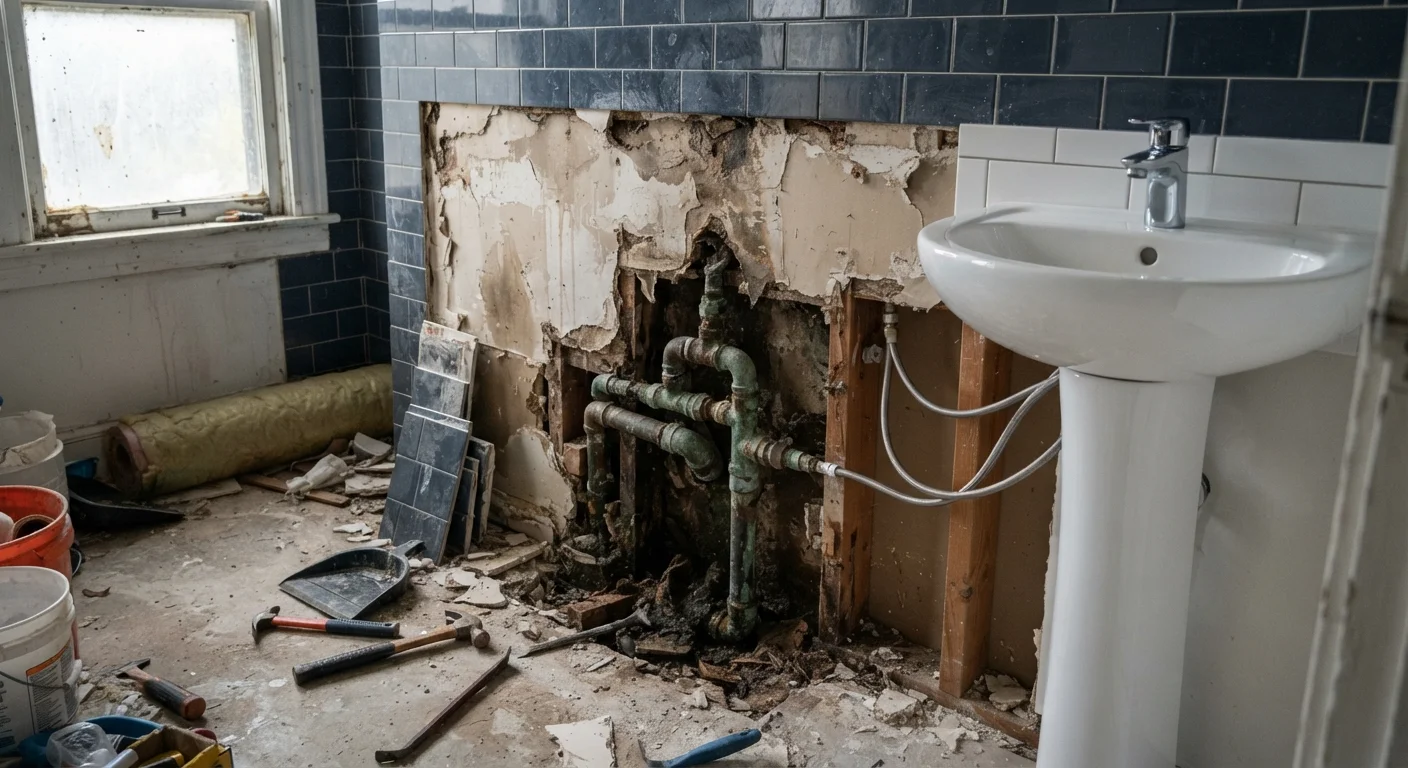
Water damage behind tile. Ceramic and porcelain tile feel permanent, but the cement board, drywall, or plywood behind them absorbs moisture through cracked grout or failed caulk. When tiles are removed for a restyle, that wet substrate often needs partial or full replacement. Damaged cement board is less expensive to address than wet framing lumber, but either adds labor and material costs that were not in the original quote.
Mold in wall cavities. Mold growth follows water intrusion. It can appear behind a tub surround, inside a wall adjacent to a shower, or beneath a leaking toilet supply line. Surface mold on tile is a cleaning problem. Mold that has penetrated drywall or reached wood framing is a remediation job that requires proper containment, removal, and disposal. A licensed professional should assess any suspected mold inside wall cavities before you proceed.
Subfloor deterioration. The floor beneath vinyl or tile absorbs water from a slow toilet wax ring leak or a failing tub drain over years. Soft or spongy flooring near the toilet base or tub perimeter is a sign the plywood or OSB subfloor has degraded. Replacing subfloor sections requires removing the finished floor, cutting out damaged material, and sistering or replacing joists if they are also affected.
Outdated or non-compliant plumbing. Older homes may have galvanized steel supply lines that corrode internally, reducing water pressure and eventually failing. When a fixture swap exposes these pipes, a plumber will advise replacement. In some jurisdictions, current code requires updates to shutoff valves or drain configurations when existing plumbing is opened up, even if the original scope did not include plumbing work.
Photograph everything before you cover it up
Before closing up any opened wall or floor cavity, take clear photos showing the condition of pipes, wiring, and structural members. These images are useful for future repairs, permit inspections, and documentation when selling the home. Store them with your home maintenance records alongside any receipts or permit sign-off paperwork.
Electrical deficiencies. Bathrooms require GFCI (ground-fault circuit interrupter) outlets and, in many codes, a dedicated circuit for certain fixtures. An older bathroom may have neither. When an electrician is on site for a new light fixture or exhaust fan, they may identify wiring that does not meet current code. Electrical work in wet rooms is regulated and generally requires a permit and licensed electrician.
How to reduce surprises before work starts
A basic pre-project inspection takes less than an hour and can surface problems before you have already ordered tile or scheduled a contractor.
- Press firmly on the floor at the toilet base and tub perimeter. Any give or softness warrants closer investigation.
- Run a finger along caulk lines at the tub and shower. Gaps, cracks, or caulk that pulls away from the surface indicate water has had an entry point.
- Check under the sink cabinet for staining, soft cabinet floors, or any sign of past or ongoing drips from supply lines or the drain trap.
- Look at the grout between tiles for cracks or missing sections, especially in horizontal grout lines where water can pool.
- Turn on the exhaust fan and check that it actually moves air. Poor ventilation accelerates moisture damage and mold growth.
These observations will not reveal everything inside the walls, but they can guide where you allocate contingency funds and whether to call an inspector before demolition begins. Routine inspections like these fit naturally into broader home upkeep habits; a monthly maintenance reference can help you build that habit across the whole house.
15-20%
Recommended renovation contingency budget
Home improvement guides and contractor associations broadly recommend setting aside 15 to 20 percent of a project estimate to cover unforeseen conditions discovered during work.
~50%
Bathroom renovations that uncover water damage
Industry data from home inspection and remodeling surveys suggests roughly half of bathroom renovations expose some degree of moisture-related damage once tile or fixtures are removed.
When to stop DIY and call a professional
Cosmetic work such as painting, hardware swaps, mirror replacement, and caulk touch-ups is well within reach for most homeowners. Once the scope moves into any of the following areas, bring in a licensed trade professional and verify whether a permit is required in your municipality:
- Moving or replacing supply lines or drain lines
- Any electrical work, including new outlets, fixture wiring, or circuit additions
- Subfloor replacement that reaches structural joists
- Mold remediation inside wall cavities
Working without required permits creates liability issues and can complicate a future home sale. Your local building department can tell you what triggers a permit requirement in your jurisdiction. That call costs nothing and can save significant money and legal complication later.
Keeping bathroom project costs from spiraling shares common ground with managing travel spending, where hidden charges appear only after you have committed. The same principle of budgeting for the unseen applies: account for likely additions before you start, not after.
Frequently Asked Questions
A general guideline is to set aside 15 to 20 percent of your total project estimate as a contingency fund. Older homes, bathrooms with histories of leaks, or projects involving tile removal warrant the higher end of that range. This is general guidance, not a guarantee of what you will spend.
Retiling walls or floors alone usually does not require a permit, but work that touches plumbing supply lines, drains, or electrical circuits typically does. Requirements vary by municipality, so check with your local building department before starting. Working without a required permit can create problems when selling your home.
Costs vary significantly based on the extent of growth and the materials affected. A small, isolated patch of surface mold may cost a few hundred dollars to address, while mold that has penetrated drywall or subfloor framing can run into the thousands. A licensed mold assessment professional can give a site-specific evaluation.
Swapping a vanity for a same-size replacement with existing supply and drain connections is often within DIY reach if you are comfortable shutting off water and reconnecting fittings. If you need to move supply lines or change drain locations, that work typically requires a licensed plumber and may need a permit.
Walk the floor and press down near the toilet base, tub surround, and any area around old caulk lines. Soft spots, springiness, or a slight give under pressure are signs of water-damaged subfloor material. Discoloration or staining at the perimeter of flooring is another indicator worth investigating before purchasing new flooring materials.
The content provided on our blog site traverses numerous categories, offering readers valuable and practical information. Readers can use the editorial team’s research and data to gain more insights into their topics of interest. However, they are requested not to treat the articles as conclusive. The website team cannot be held responsible for differences in data or inaccuracies found across other platforms. Please also note that the site might also miss out on various schemes and offers available that the readers may find more beneficial than the ones we cover.